How Anxiety Affects Your Sleep and Strategies to Switch Off Your Mind at Night
Nights can feel desperate when your body is exhausted but your brain won't shut off. Understand anxious insomnia and how to fight it.

Night falls, you lie down in bed exhausted, close your eyes, and instead of relaxing, your mind starts replaying every mistake you've made since 2012. Your heart races, your chest tightens, and sleep runs away. This is the cruel cycle of nighttime anxiety.
Why Does Anxiety Get Worse at Night?
During the day, we're surrounded by distractions: work, phone notifications, traffic, social interactions. Our anxious brain is busy processing all that external input. But once the lights go out and silence takes over, all that's left is our own thoughts. Without the "noise" of the day, internal worries start screaming.
On top of that, cortisol spikes (the stress hormone) are often dysregulated in people with chronic anxiety disorders, keeping melatonin (the sleep hormone) from doing its job of inducing deep relaxation.
The Impact on Body and Mind
Lack of sleep is emotional regulation's biggest enemy. Chronically sleeping less than 7 hours is the equivalent of making daily decisions under a mild alcohol buzz:
- You wake up already irritable.
- Focus (already hurt by anxiety) drops to zero.
- Immunity plummets.
- A "fear of not being able to sleep" develops (conditioned insomnia), where the mere act of walking into the bedroom triggers dread.
Practical Strategies to Switch Off Your Mind
- Radical sleep hygiene: Two hours before bed, dim the lights in the house to warm, amber tones, mimicking sunset. No harsh white bathroom lights.
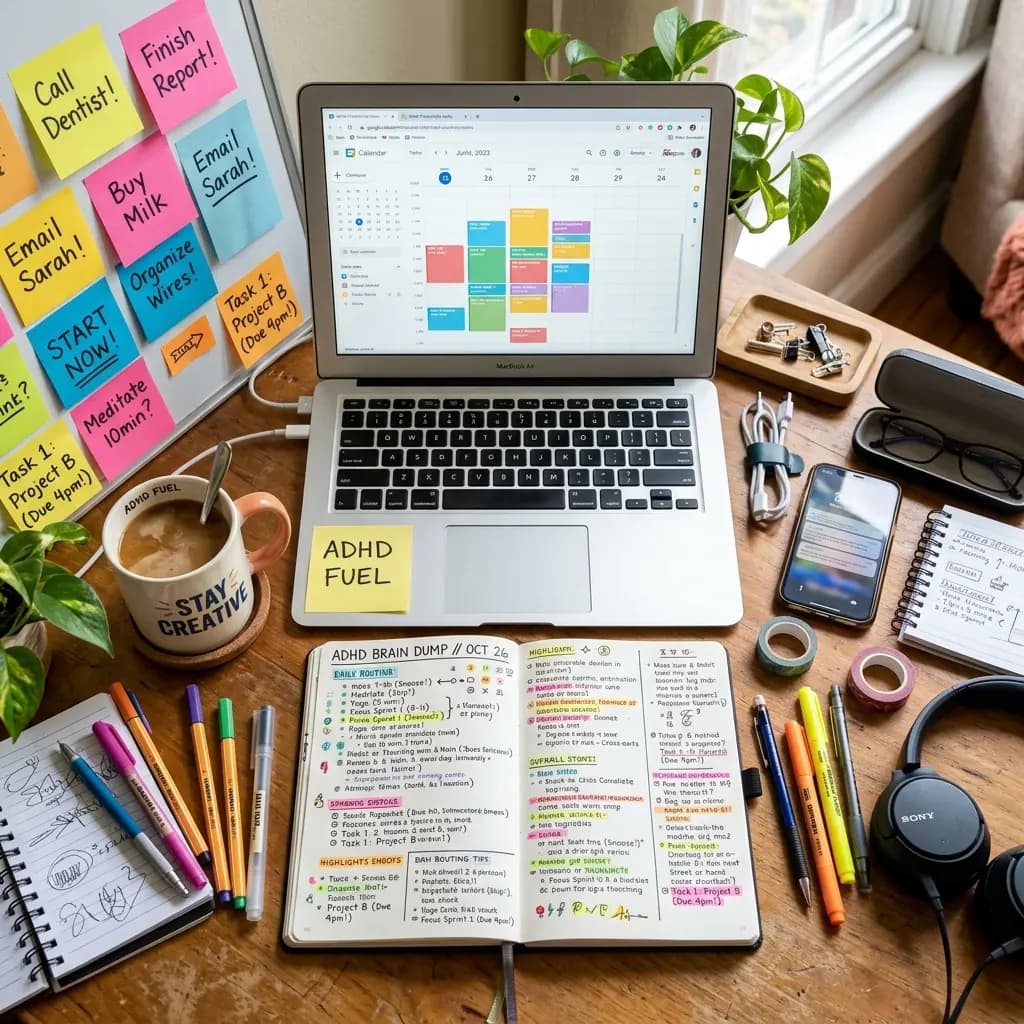
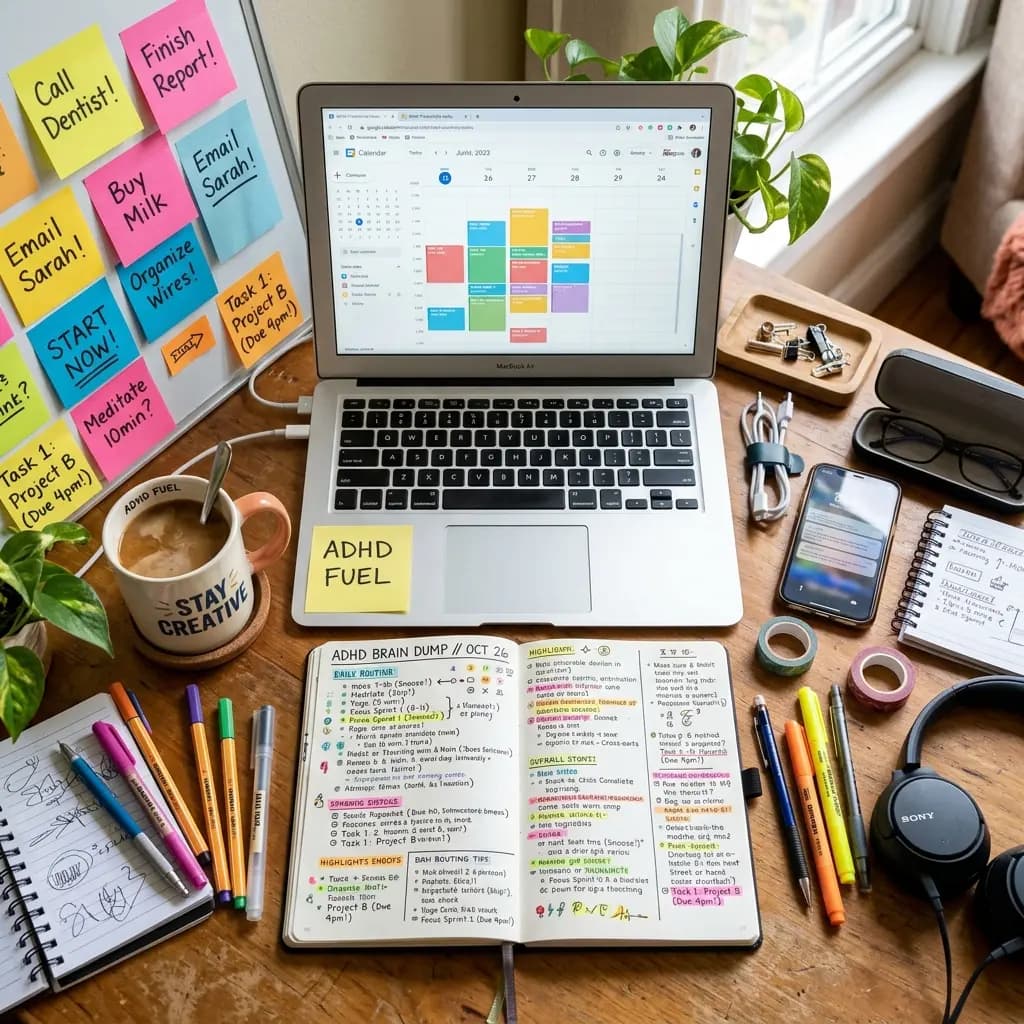
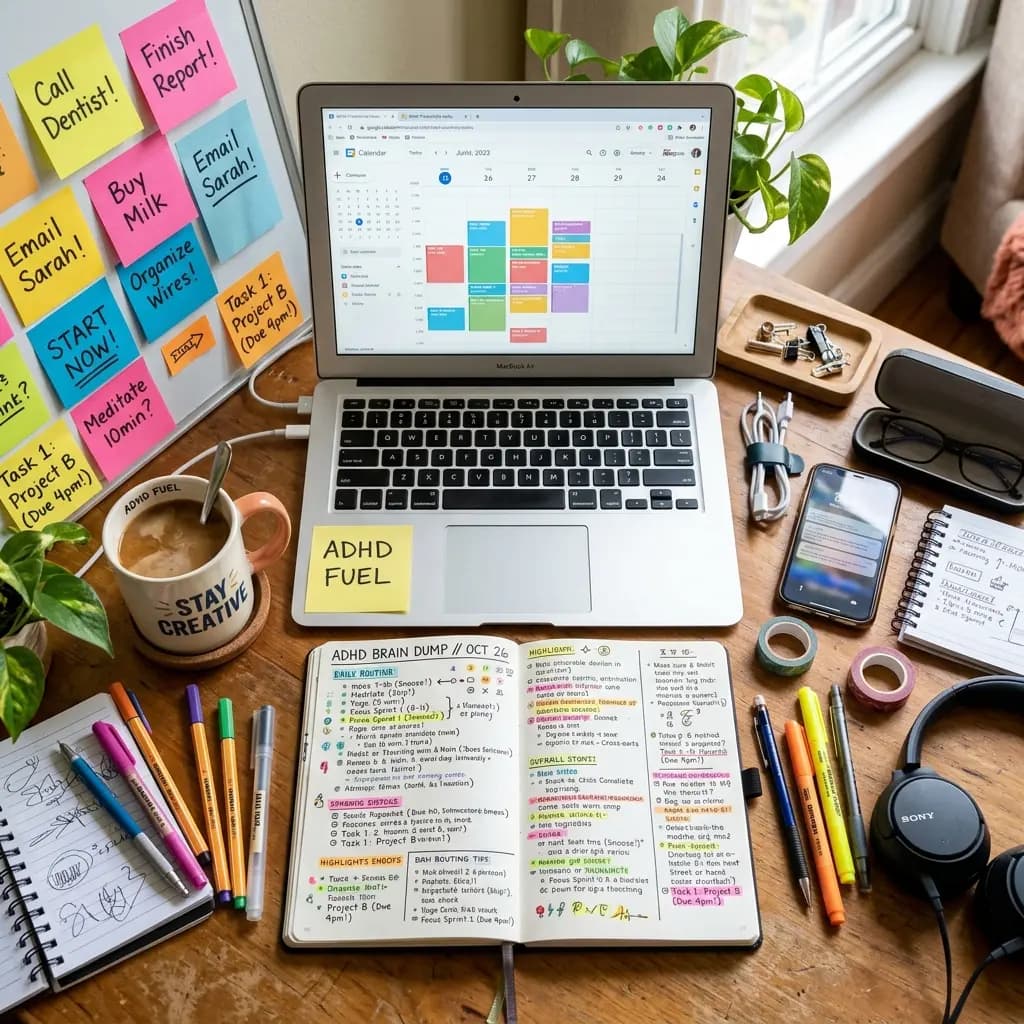
- Cognitive offloading (the mental "dump"): An anxious mind fears forgetting something important. Keep a notepad by the bed. Write down absolutely everything running through your head (bills, emails to send). Your brain will understand those pending items are "already stored" and stop trying to process them on a loop.
- Cooling your body: A warm (not too hot, not cold) shower before bed helps your core temperature drop right after you step out, mimicking the natural thermal dip that happens during deep sleep.
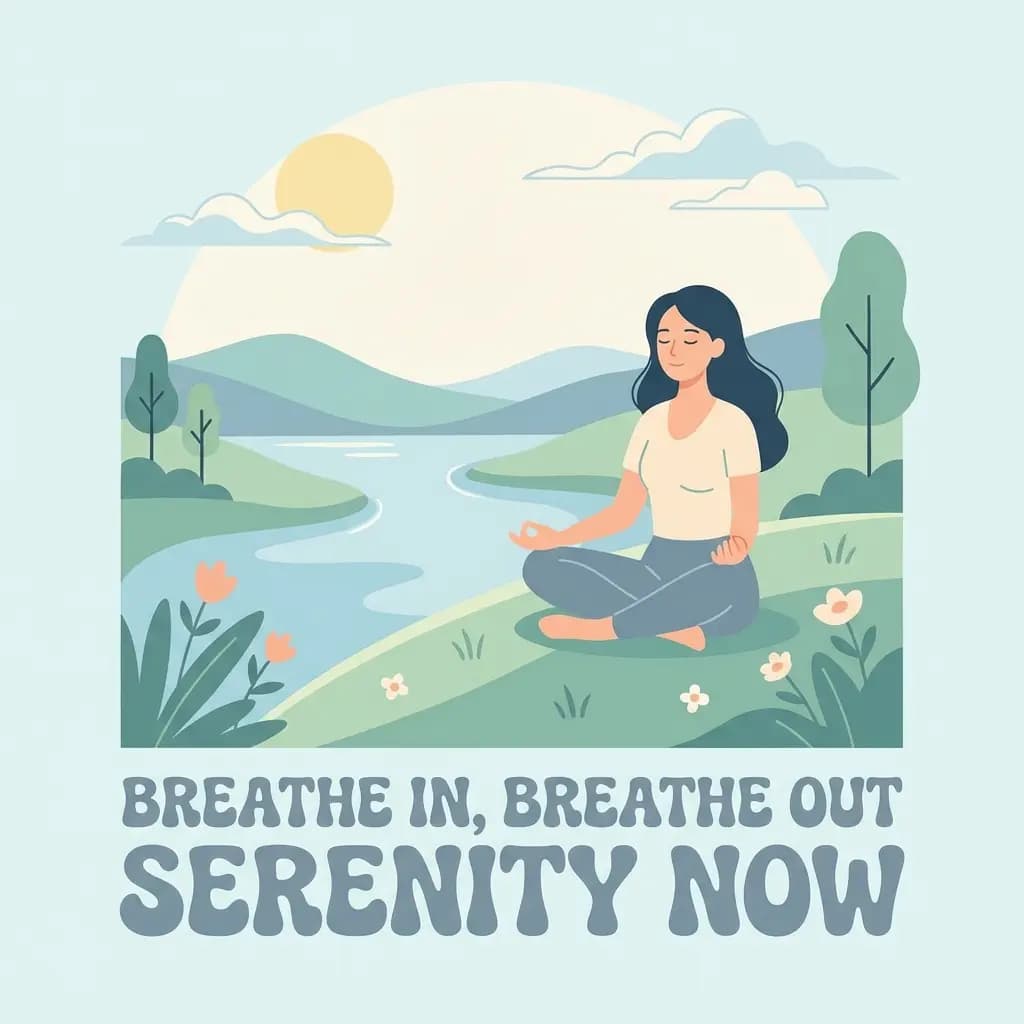
- Breathing to trick the vagus nerve: Do the 4-7-8 breath (inhale for 4s, hold for 7s, release while emptying your belly for 8s). The extended exhale sends a direct electrical signal to the brain saying "we're safe, we can stand down."
- Redirect instead of fight: If you toss and turn for more than 20 minutes, frustrated that you can't sleep, get up. Go to a dimly lit room and read something boring until your eyes get heavy. Fighting the bed turns it into an emotional war zone.
Don't ignore your body's silent screams at night. Dealing with anxiety is a process, but reclaiming restorative sleep is the most crucial step of the entire psychological healing journey.