Depression and Anxiety Test: How the Beck Scale Works
Looking for a depression and anxiety quiz? Understand the science behind the Beck Scale and how to track the clinical signs.

Many people going through prolonged periods of sadness, low mood, or constant worry turn to the internet looking for a depression and anxiety test or a depression quiz. Wanting to understand what's happening internally is natural and healthy.
In clinical psychology and psychiatry, while a final diagnosis requires a detailed evaluation by a specialist, there are screening tools that are widely validated by science. The most famous and respected of these is the Beck Scale (or Beck Inventories).
In this article, we break down how these tests work, how to interpret the results, and how they help identify classic symptoms in a structured way.
What Is the Beck Scale?
Developed by American psychiatrist Aaron Beck — considered the father of Cognitive Behavioral Therapy (CBT) — the Beck Scale isn't a single test, but a set of self-report questionnaires designed to measure the intensity of specific symptoms. The two most widely used instruments are:
- BDI (Beck Depression Inventory): Measures the severity of depressive symptoms like apathy, hopelessness, and self-criticism.
- BAI (Beck Anxiety Inventory): Focuses on the physical and cognitive symptoms of anxiety, like trembling, palpitations, and constant fear.
How Does the Test Work?
The Beck Depression Inventory consists of 21 groups of statements. Each group describes a clinical manifestation of depression. The person picks the statement that best describes how they've felt over the past week. Each answer scores 0 to 3, for a total score ranging from 0 to 63:
- 0-13 points: Minimal or no depressive symptoms.
- 14-19 points: Mild depressive symptoms.
- 20-28 points: Moderate depressive symptoms.
- 29-63 points: Severe depressive symptoms.
Recognizing the Symptoms of Depression and Anxiety
When answering a depression quiz, the questions usually revolve around a few core dimensions of mental health:
1. Cognitive and Emotional Symptoms
- Persistent sadness: A constant sense of emptiness or melancholy that doesn't lift with positive events.
- Hopelessness: Feeling like the future holds nothing good and that the current pain is permanent.
- Loss of interest (anhedonia): No longer enjoying activities that used to be fun (reading, sports, spending time with friends).
- Self-deprecation and guilt: Exaggerated feelings of worthlessness or guilt over things outside your control.
2. Physical and Behavioral Symptoms
- Sleep changes: Severe insomnia caused by a racing mind, or, conversely, hypersomnia (needing to sleep all day to escape reality).
- Chronic fatigue: A "lead in your body" feeling, where the simplest tasks — brushing your teeth, showering — take a herculean effort.
- Appetite changes: A sharp drop in appetite, or compulsive eating of high-calorie foods.
The Danger of Unguided "Online Tests"
Taking a quick online test or depression quiz can be a great first step toward awareness, but it carries a few risks if not properly understood:
- Misguided self-diagnosis: Temporary sadness after a loss or breakup is a natural human reaction (situational sadness), not necessarily a clinical depressive disorder.
- The labeling effect: Getting a high score on a website without proper support can trigger panic, worsening anxiety.
- Lack of individualization: The scale measures the intensity of reported symptoms, but doesn't account for someone's life context, medical history, biological markers (like thyroid levels or vitamin D), or social factors.
What to Do After Getting Your Result
If you've done a self-assessment and found that your anxiety and depression symptoms fall in the moderate-to-severe range, the most important step is not to isolate yourself.
- Seek professional help: Book an appointment with a psychologist (ideally for CBT-based therapy) and/or a psychiatrist (to assess whether safe medication support is needed).
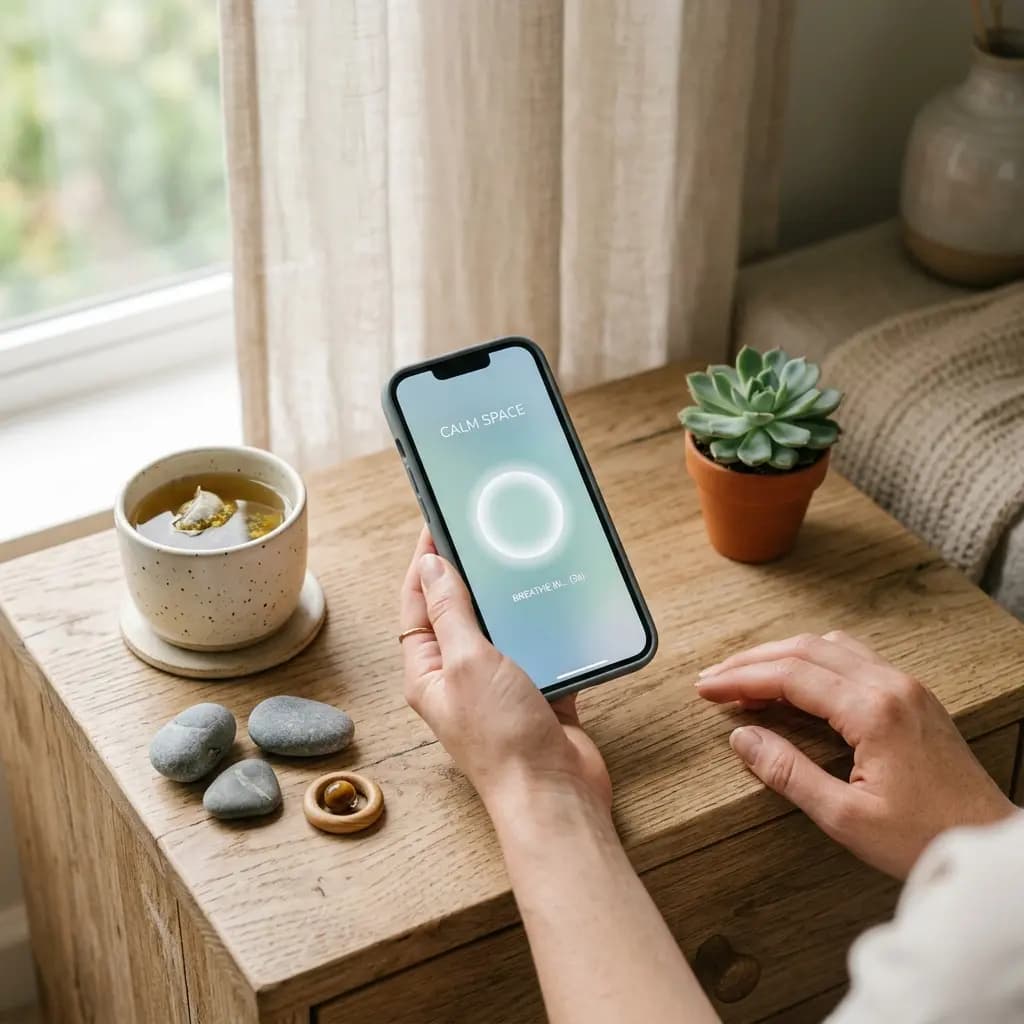
- Use daily support tools: Emotional support apps are an excellent complement between therapy sessions.
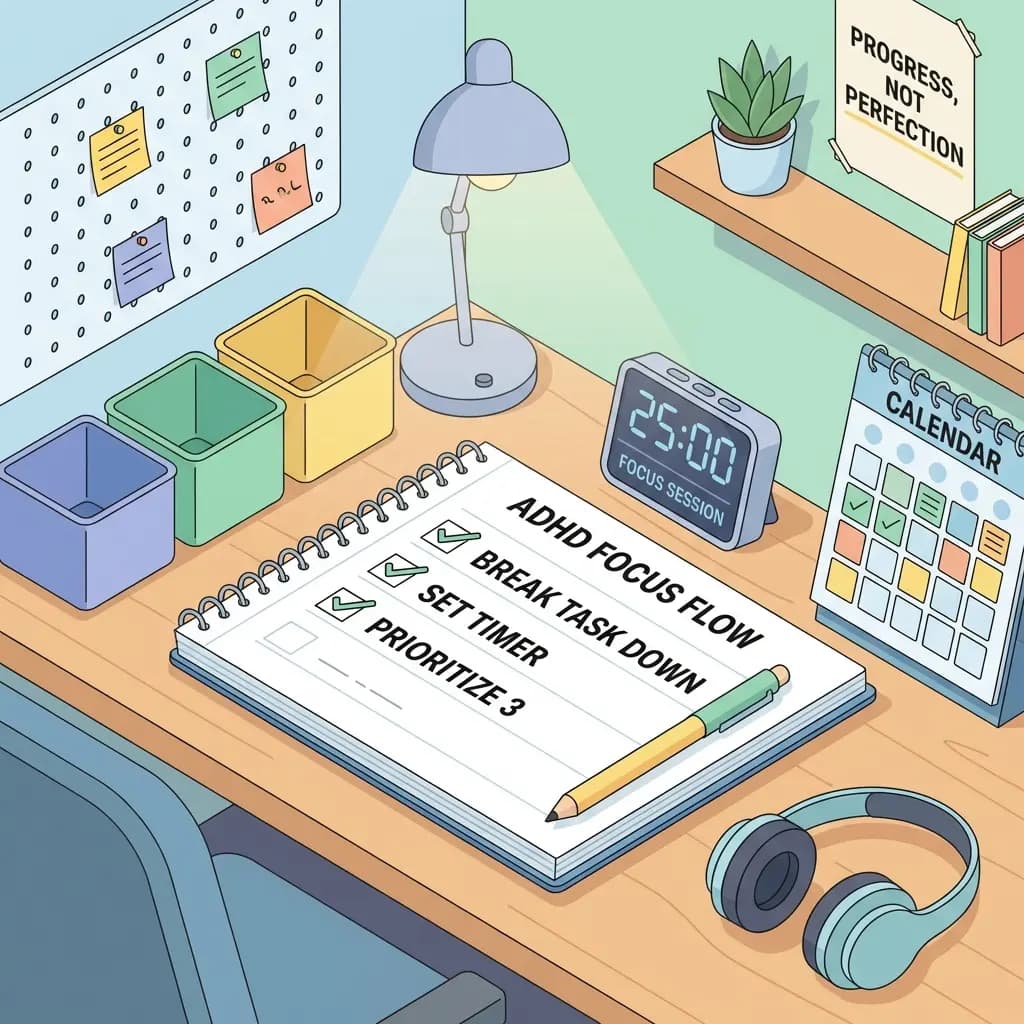
- Build micro-habits: Breaking daily tasks into micro-steps helps a depressed brain gradually recover its dopamine.
If you're going through acute suffering right now, remember that depression and anxiety are treatable conditions. You deserve support. If you're in crisis, in the US call or text 988 (Suicide & Crisis Lifeline), or find a local helpline at findahelpline.com.