Adult ADHD and Burnout: The Silent Exhaustion I See in My Practice
Do you live exhausted, overwhelmed, and feel like your effort is never enough? I explain the hidden link between ADHD and Burnout Syndrome.

In my psychiatric practice, the fastest-growing complaint I've seen in recent years is extreme exhaustion. Talented professionals come to me describing a tiredness no amount of sleep can fix, professional apathy, and a paralyzing sense of incompetence.
Almost all of them arrive with a diagnosis already in mind: "Doctor, I have Burnout Syndrome." And they're often right — they do. But when I pull the thread of their life history back to childhood, I frequently uncover an underlying, overlooked diagnosis: Attention Deficit Hyperactivity Disorder (ADHD).
There's a deep, hidden connection between untreated adult ADHD and chronic professional burnout. In this article, I want to explain, from a clinical neuropsychiatry perspective, why this exhaustion happens and how you can protect your mind.
The Hidden Mechanism: Why Does Adult ADHD Lead to Burnout?
For an adult who doesn't know they have ADHD (or isn't treating it properly), professional life demands a monumental cognitive effort. We call this neurodivergent compensation.
The ADHD brain has a dysregulation in dopamine — the neurotransmitter behind focus, motivation, and reward. To deliver the same output a neurotypical person produces with ease, an adult with ADHD has to recruit extreme levels of adrenaline and anxiety. They run on blown deadlines, last-minute desperation, and harsh self-criticism.
That constant state of biological alert causes silent wear and tear. The patient falls into a cycle of compensatory hyperfocus (working 14 hours straight under stress) followed by total collapses into apathy. Over time, the glands and neurotransmitters run dry, culminating in Burnout Syndrome.
3 Signs Your Burnout Is Being Fueled by ADHD
In my clinical practice, I distinguish ordinary burnout from ADHD-driven burnout through a few specific behavioral patterns:
1. Chronic Decision Paralysis
The patient with ADHD and burnout feels like their ability to plan and prioritize has vanished completely. The pile of unanswered emails or household chores keeps growing because the mind simply can't decide what the logical first step is, causing a physical freeze.
2. Cycles of Hyperfocus Followed by Cognitive Hangover
Unlike traditional exhaustion, the ADHD patient reports that they can sometimes produce intensely for one day, but then spend the next 3 days in a deep "brain fog," unable to reason or retain simple information.
3. A History of Job- and Project-Hopping
A constant search for professional novelty that quickly turns into deep boredom and early burnout, usually paired with severe impostor syndrome and self-sabotage.
How to Protect Your Brain From Burning Out
If this sounds like you, the first step is to take the weight of guilt off your shoulders. This isn't a lack of willpower — it's brain chemistry. As a doctor, I recommend the following:
- Seek a specialized evaluation: Safe, appropriate ADHD medication (stimulant or non-stimulant) rebalances dopamine levels, drastically reducing the effort needed to work and preventing the physical wear that leads to burnout.
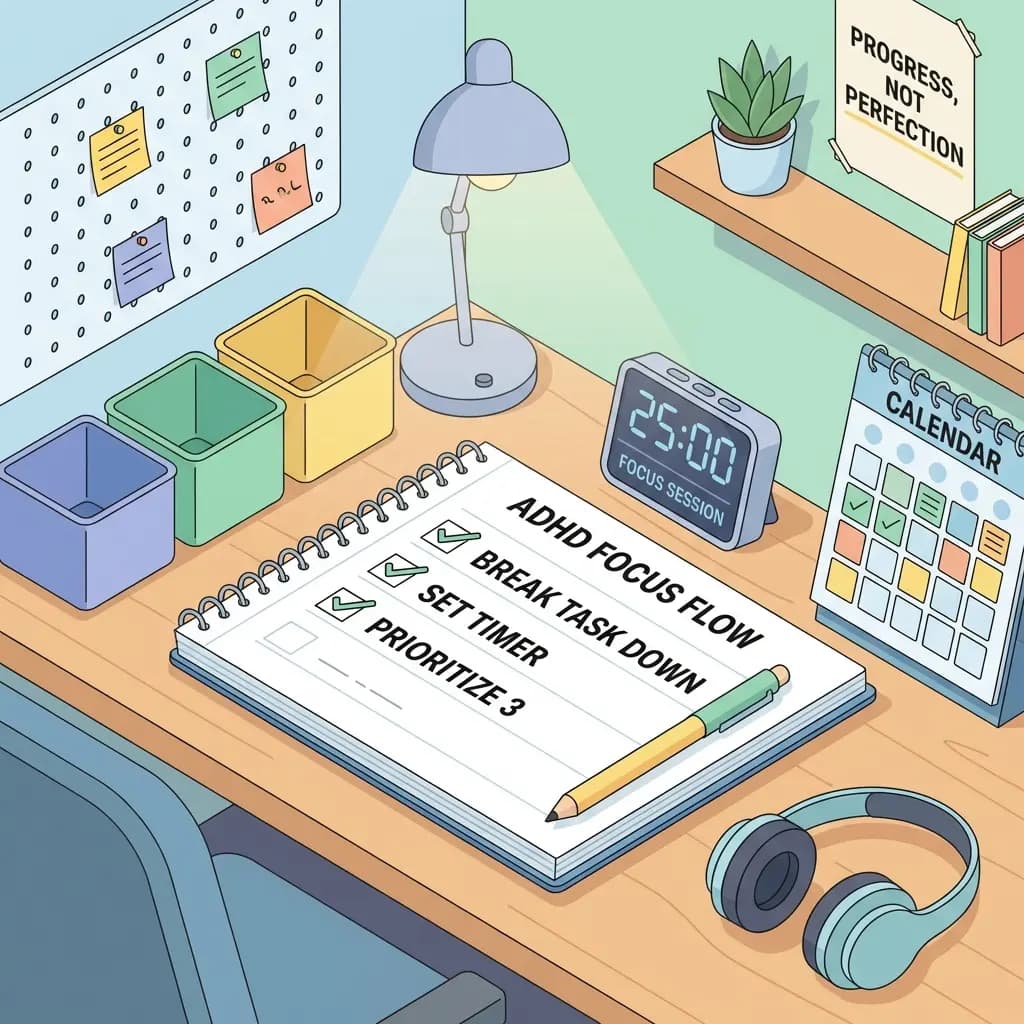
- Externalize your organization: Don't rely on your working memory. Use apps and visual support tools as external organizers.
- Monitor your daily mental load: Break work into small blocks with healthy dopamine rewards (a short walk, a coffee, a stretch) instead of working under the pressure of desperate deadlines.
To help my patients with this kind of daily routine monitoring and decision-paralysis management, I often suggest using everyday support tools like Lumi. Lumi works in a practical way, helping break big tasks into small pieces and offering immediate meditations and techniques to slow the brain down when the burnout alarm goes off.
You don't need to live exhausted to prove your worth. Take care of your mind with respect and scientific support.