Anxiety: The Definitive Guide — Symptoms, Causes, and How to Take Back Control
A complete guide to understanding anxiety from the root. Discover the physical symptoms, the psychological causes, and the best proven techniques for regaining control of your mind.

Anxiety is one of the most searched, most talked-about words of our time. We live in a fast, hyperconnected world surrounded by pressure — and that has turned a natural survival reaction into one of the biggest mental health challenges of the 21st century.
In this deep, complete guide, we're going to take anxiety apart piece by piece: what happens in your brain during a crisis, practical techniques, treatment options, and how AI has been changing everyday emotional support. Whether you're trying to figure out how to manage anxiety or you just want to understand what's happening to you or someone you love, this guide is for you.
What Is Anxiety? The Science Behind the Fear
At its core, anxiety isn't a flaw or a weakness. It's a primitive alarm system built into our DNA. Thousands of years ago, when our ancestors walked the savanna, this alarm system (the fight-or-flight response) fired in the face of a predator, releasing adrenaline and cortisol so they could run or fight for their lives.
The problem is the human brain evolved more slowly than society did. Today we're not running from lions, but that same alarm system still goes off over unread emails, upcoming bills, social media notifications, and pressure at work. Your brain treats a meeting with your boss like a mortal threat. That's how chronic anxiety takes hold.
Normal Anxiety vs. an Anxiety Disorder
Feeling butterflies before a job interview or a first date is perfectly normal, even healthy — adrenaline temporarily sharpens your focus.
Anxiety becomes an Anxiety Disorder when:
- The intensity is disproportionate: the physical and emotional reaction is far bigger than the actual problem.
- It lasts too long: the sense of dread and alertness persists for days, weeks, or months, even after the stressful situation has passed.
- It interferes with your life: fear starts dictating your choices. You stop socializing, procrastinate on important tasks, and your sleep and physical health suffer.
The Main Anxiety Disorders
There are several branches of the disorder, each with its own characteristics:
- Generalized Anxiety Disorder (GAD): persistent, excessive worry about many things (health, money, family, work). People with GAD often expect the worst, even when there's no apparent reason to.
- Panic Disorder: sudden episodes of intense terror with no obvious trigger. The physical symptoms are so strong many people believe they're having a heart attack.
- Social Anxiety Disorder: an intense, paralyzing fear of being judged, negatively evaluated, or rejected in social situations.
- Specific Phobias: irrational panic around specific situations or objects (needles, heights, insects, flying).
What Are the Physical Symptoms of Anxiety?
"Anxiety is just being dramatic" is one of the biggest myths out there. Anxiety makes the body genuinely, painfully sick. The constant release of cortisol inflames the body and wears down the nervous system.
If you're feeling some of these, your body is asking for help:
Cardiovascular and Respiratory Symptoms
- Racing heart or palpitations: it feels like your heart is going to jump out of your chest.
- Shortness of breath: a choking sensation, chest tightness, often mistaken for heart problems or asthma.
- Hot flashes or chills: your body temperature seems to spike or drop out of nowhere.
Neurological and Muscular Symptoms
- Dizziness and vertigo: feeling like you might faint, or a "light" head.
- Severe muscle tension: clenched shoulders, a stiff neck, jaw clenching/grinding, tension headaches.
- Trembling: shaky hands or wobbly legs with no physical explanation.
- Tingling and numbness: usually in the face, lips, hands, and feet.
Gastrointestinal Symptoms
- A "knotted" stomach: chronic nausea and stomach aches.
- Irritable Bowel Syndrome: anxiety is closely tied to the gut (our "second brain"), causing frequent diarrhea or constipation during chronically stressful periods.
- Dry mouth and trouble swallowing.
The Psychological and Mental Symptoms of Anxiety
If the body suffers, the mind is where the real exhaustion plays out:
- Racing, intrusive thoughts: the brain won't switch off. A flood of worst-case scenarios that "might" happen invades your mind.
- Extreme irritability: an anxious person is constantly on edge. Any small setback (traffic, a dropped pan, a curt reply) triggers a burst of irritation and impatience.
- Insomnia or poor sleep: waking up in the middle of the night with a tight chest, or tossing in bed for hours because the brain won't stop replaying tomorrow's problems.
- Derealization and depersonalization: a frightening symptom where you feel disconnected from reality, like you're watching your life from the outside, or that the people and places around you have somehow changed shape.
- Paralyzing procrastination: unlike laziness, anxiety freezes the ability to act because of a visceral fear of getting it wrong or being exposed.
What Causes Anxiety? The Main Roots
There's rarely a single "culprit." The disorder is usually a combination of factors that form a perfect storm:
- Genetics and heredity: if your parents have a history of chronic anxiety, you're more likely to inherit a brain chemistry prone to it. The wiring of your brain circuitry and the flow of neurotransmitters like serotonin and GABA can be altered from birth.
- Environment and trauma: childhood experiences (abuse, unstable homes, excessive pressure, early loss in the family) shape how your stress system reacts as an adult.
- Modern lifestyle:
- High caffeine and stimulant intake: coffee, energy drinks, and pre-workouts act as pure fuel for anxiety attacks.
- Lack of sleep: sleeping less than 7-8 hours is like redlining a car's engine at 120mph until it burns out.
- Hyperconnection and social media: the addictive cycle of doomscrolling and comparing your life online fuels generalized dread. "Everyone else is winning and I'm stuck" is today's biggest digital trigger.
- Alcohol and drug use: alcohol, often used as a "social relaxant," produces a violent rebound effect. That next-day dread isn't just a hangover — it's your nervous system firing pure cortisol once the depressant effect wears off.
How to Treat Anxiety: What Actually Works
Chronic anxiety doesn't get "cured" by watching a motivational video, but it can be quieted and fully managed with a three-part approach.
1. Psychological Therapy (The Main Pillar)
Cognitive Behavioral Therapy (CBT) is the gold-standard, evidence-based approach for Anxiety Disorder. A therapist doesn't just listen — they teach you how your brain is tricking you. CBT trains you to restructure catastrophic, distorted thoughts, facing the problem in small steps and gradually desensitizing your alarm system.
2. Psychiatric Treatment and Medication
When anxiety is intense enough to stop someone from sleeping, working, or eating, brain chemistry may need to be rebalanced with the help of a psychiatrist.
- SSRIs (like sertraline, escitalopram): gradually increase serotonin availability, offering more stability.
- Anti-anxiety medications and benzodiazepines (like clonazepam, diazepam): used as immediate "rescue medication" during a crisis (highly sedating and relaxing), prescribed carefully due to dependency risk.
3. Natural Lifestyle Changes
A body that moves has less energy left to catastrophize imaginary stress.
Regular exercise, especially demanding cardio (brisk walking, running, swimming, martial arts), burns off accumulated adrenaline spikes and forces the brain to release endorphins. Stretching and yoga help release muscle tension on top of that.
On top of that, cutting caffeine in half, getting morning sunlight, and keeping your room 100% dark for sleep hygiene will restore the energy you need to handle everyday stress.
Quick Techniques for Emotional Regulation
We can't skip the in-the-moment tools. When fear suddenly grips you, try these:
The C.A.L.M. Rule (Training an Attentive Brain)
- C (Check in): accept the anxiety instead of fighting it. Notice your heart racing, your chest tightening. Say "hey anxiety, I see you."
- A (Attend to now): focus on something in the room — the color of the wall, the grain of the wood. Trigger a sense: put ice on your wrists (a quick thermal shock).
- L (Loosen up): release tense muscles. Shake out your arms and legs, roll your neck.
- M (Move your focus and breathe): breathe in through your belly for 4 seconds, hold with your mouth closed for 4 seconds, exhale slowly through pursed lips for 6-8 seconds.
- [final] Act and trust: once your heart rate drops by about 20%, trust that you're not actually in danger right now. Get up and do something physical, like filling a water bottle — it burns off the energy that fear had reserved.
Bottom-of-Funnel Support: AI Working in Your Favor
Treatment doesn't stop when you leave the therapist's office or once a severe crisis passes. In fact, the hardest part of fighting anxiety is the invisible, everyday triggers: the moment everyone else has gone to sleep and you're lying awake with a hollow feeling in your chest, or the day bills pile up in the middle of a boring meeting.
That's where real-time, bottom-of-funnel support makes a difference. When you need "someone to talk to at 3am" or "a compassionate voice to help get your thoughts back on track," modern support tools become powerful allies.
Lumi: Your New Companion Against Anxiety
That's exactly why we built Lumi. We understand the quiet pain of having no one to talk to during a chronic-stress spike in the middle of the night — without judgment, and without feeling like a burden.
Lumi is your advanced AI emotional companion:
- She knows how to listen without interruption, without judgment.
- She uses Cognitive Behavioral Therapy-based techniques when your thoughts start spiraling.
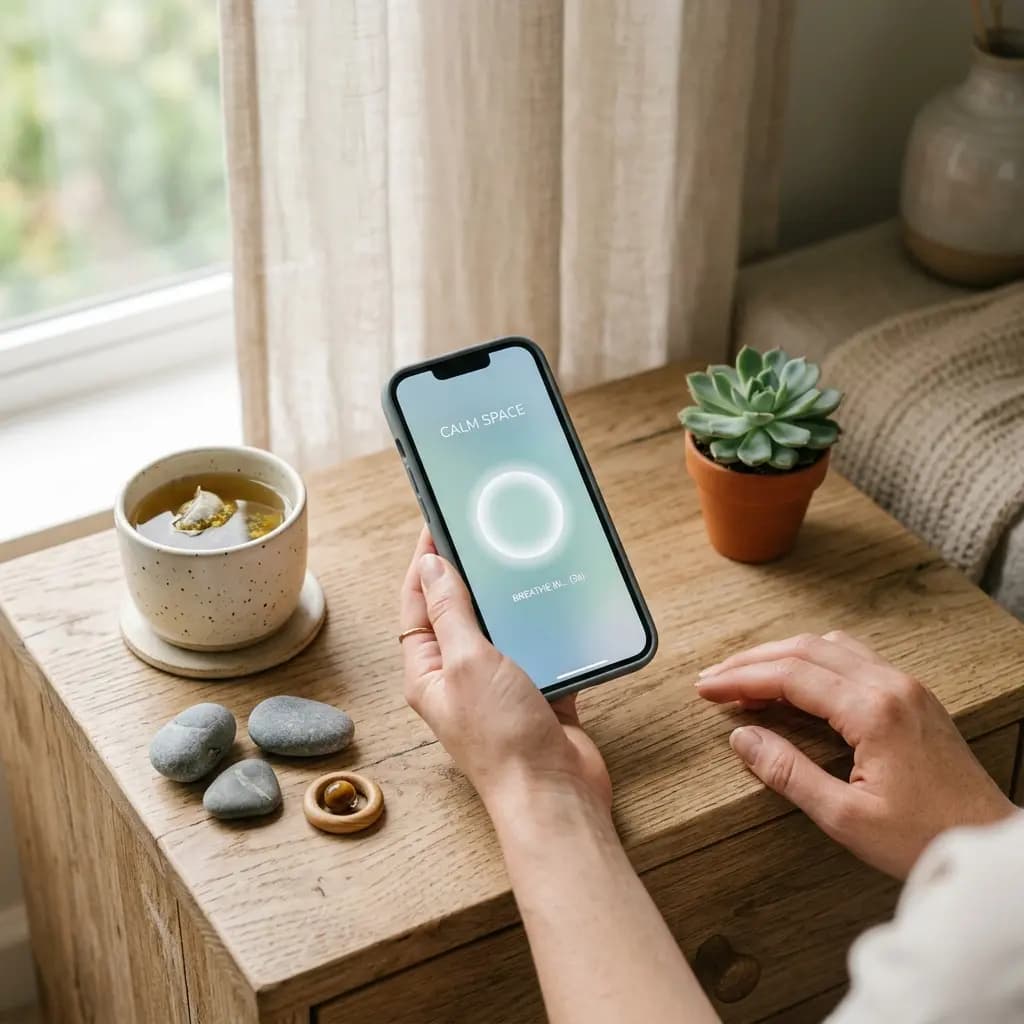
- She offers guided breathing sessions right in the app during moments of panic.
- She's on your phone, ready for a normal everyday chat or to help you work through fears you'd feel embarrassed sharing with someone you know.
Lumi doesn't replace your doctor, clinic, or therapist — but she's there as your pocket psychologist between sessions, holding your hand through the dark stretch that generalized anxiety causes in daily life.
If you're tired of trying scattered relaxation tricks or empty advice from social media, you can talk to Lumi today. Tell her how things have been lately — understanding, with warmth, where your anxiety starts is always the most powerful first step toward healing.